• חברים
  • ביקורות
  • דירוגים
  • פורומים
  • רשימות
  • נושאים
  • מחפשים בנרות
  • ספרים חדשים
•
•
•
•
•
•
•
•
•
•
•
•
•
•
•
•
•
•
•
•
•
•
•
•
•
•
•
•
•
•
•
•
•
•
•
•
•
•
•
•
•
•
•
•
•
•
•
•
•
•
•
•
•
•
•
•
•
•
•
•
•
•
•
•
•
•
סימניה - סופרים ספרים וחברים • © 2006-2026
אודות•חנויות ספרים•ספריות•עזרה•תנאי שימוש•פרטיות
תוכן פרסומי רלוונטי
סימניה
•
•
•
•
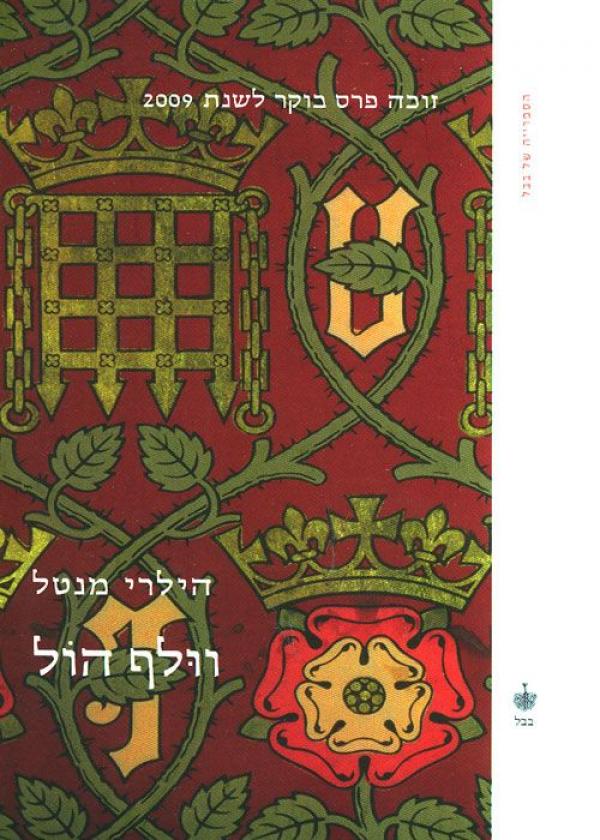
וולף הול

וולף הול

מאת הילרי מנטל

הביקורת של מרינה מ.

תמונה של מרינה מ.
דירוג
דירוג
דירוג
דירוג
דירוג
5.0
וולף הול

וולף הול

מאת הילרי מנטל

הביקורת של מרינה מ.

דירוגדירוגדירוגדירוגדירוג
5.0
תמונה של מרינה מ.
הוצאה לאור:בבל ומשכל
שנת הוצאה:2010
סדרה:טרילוגיית תומס קרומוול #1
קטגוריה:ספרות מתורגמת
הקודמת
אלקו
דירוגדירוגדירוגדירוגדירוג
5.0
לפני 10 שנים

“מי שלא אהב את הספר הזה הוא פשוט אידיוט!”

16/17
ביקורות על וולף הול
הבאה
רוני_א
לפני 15 שנים

“למתעניינים בסיפורת היסטורית יש כאן ספר מעניין הבנוי באמנות סביב השלד העובדתי. הספר מציג תיאורים מפור”

הביקורת

הביקורת נכתבה לפני 12 שנים•2 דקות קריאה

“Well, I say he’s a genius,” said Glokta. “In a couple of years they’ll all be fencing like him."
~ Joe Abercrombie, "The Blade Itself"

This is not a review.
Partly because this is not my first time reading this book, mainly because I might loose all coherency and just mumble faintly "I'm not worthy... I'm not worthy...".
I can but thank my lucky stars that there was nothing to see on TV one day and as I was browsing through the channels on one of the German ones I saw one of my favourite actors James Frain in period dress. By a quick check on IMDB I discovered the show was called "The Tudors". I've spent the next couple of weeks watching the entire 5 seasons and when it was over and I felt the loss keenly, I looked around for further reading on the subject.
It was February, 2012. All everyone was talking about online, in relations to the Tudors, was "Wolf Hall".

There's one thing I noticed this time around - Mantel has no sympathy for Richard III, the man I consider to be one of my favourite and more inspirational rulers in history.
I don't mind.
In fact, if there is one thing I will never mind in historical fiction is the writer's prefered characterisation of an historical figure. The "Don't Defame the Dead" campaign I find, at best, ridiculous, at worst literary castrating.
It just makes me sad, that so many people will read and love "Wolf Hall" and will remain with THAT image of King Richard in mind and not enough people will read "The Sunne in Splendour" for the completely opposite affect.

I've read this book for the 5th time and I still cannot, and I dare anybody else to, answer Suffolk's question: "You do everything, Cromwell. You are everything now. We say, how did it happen? We ask ourselves."
Because it just did, right? Not really, offcourse. It took months of patience and perseverance and careful negotiations and going back and forth, but on the page it seems just to happen! Et voila!
Another mystery.
Another riddle.
Another reason to admire Cromwell and his creator.

Well, I say she's a genius. In a couple of years they'll all be writing like her.

I'll take that bet.
Will you?

מי אהב את הביקורת

אהבת?
אין לייקים עדיין

על המבקרת

תמונה של מרינה מ.

מרינה מ.

חברה מזה 13 שנים
16 ביקורות•7 לייקים
ז'אנרים מועדפים:
ספרות מתורגמת•מדע בדיוני ופנטזיה•ספרות
תמונה של מרינה מ.
מרינה מ.
חברה באתר מזה 13 שנים
ביקורות16
לייקים שקיבלה7
דירוג ממוצע4.3 ⭐
ז'אנרים מועדפים
ספרות מתורגמת9מדע בדיוני ופנטזיה2ספרות1

דיון על הביקורת

אין תגובות עדיין

אין תגובות עדיין

היה הראשון לשתף את המחשבות שלך על הביקורת

ביקורות נוספות של מרינה מ.

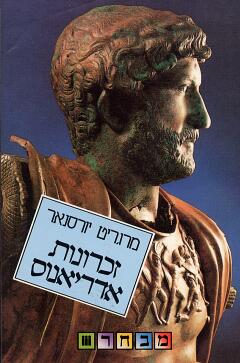
זכרונות אדריאנוס

זכרונות אדריאנוס

מרגריט יורסנאר

This is perhaps the most complex book I have read in a while.
Originally written in French, the hebrew translation I read uses a language, while not archaic per se, but somewhat poetic, long sentences complicating further what are already deep and, dare I say, philosophical concepts.

The book is written as a series of letters from the Emperor Hadrianus to his adopted grandson Marcus Aurelius (yes, that one).
From the very beginning Hadrianus lays down his creed about human nature, explains his love for all things Greek and his own character as an eternal optimist - not for its own sake but for the feeling of freedom it provides.

He writes a bit about his childhood and youth spent in the army, and as soon as anything, he is already 40 years old, awaiting, without much patience or hope, to be adopted and declared heir to the throne, while fighting yet another war against Parthia. Caesar, Crassus, my favourite Ancient Romans, had an obsession with this country. It was nice to see it persist through the years.

Hadrianus was the lucky one - his rivals had the same chances at power as him, the same hopes and dreams. Had their ''autobiographies'' been written, they would have been filled with them, all unfulfilled.

He is lucky - the ultimate power was his at last, and while he himself claims to be a bit of a philosopher, a bit of a dreamer, his approach to politics is very realistic.
He wants, and works for, a universal peace and he wants a universal Rome (in the existing borders) and he believes that he needs to work with humanity and that, by application of comon courtecy, potential enemies will be such no longer.

I liked how Hadrianus is cynical and amusing.
It was after, but feels like before.
Because he's writing a personal letter to his grandson, he is a stranger to false modesty and prevarication. He is honest about his shortcomings as he is about his virtues.

The whole saeculum aureum of Hadrianus, the golden age - meeting the love of his life, 5 years filled with overwhelming joy, of love and fun and travel, coming to an abrupt, but should have been predictable, end, was the saddest, most heartbreaking chapter I have ever read.

They may keep their bodice-rippers.
"My hand passed over his neck, under his heavy hair; thus even in the dullest or most futile moments I kept some feeling of contact with the great objects of nature, the thick growth of the forests, the muscular back of the panther, the regular pulsation of springs; but no caress goes so deep as the soul."
This is the most romantic thing I've read in a while.

Hadrianus, as he is the first to testify, comes across as a man of contradictions - a modest man who wants nothing more than to be an Emperor; a man with many lovers who loved only once; a Greek philosopher who was always a Roman pragmatist.

It's a very complex, very subtle book.
There's no conventional plot, nor action or romance or intrigue.
And yet, they are all there, but as a larger part of who Hadrianus is, rather than what surrounds him (if that makes any sense).
A human life in 300 pages. An exceptional accomplishment, no doubt an inspiration to many others.

There were pages difficult to read at times, when I was tempted, again, to pull a Joey.
Especially after.
It is impossible to read, nay, to relive with the character, such love and remain unmoved.
I found myself pausing for long seconds, just staring into space...
But just as Hadrianus had somehow found the strenght to go on, surely we, the reader, must as well.

And so the Jew uprising could not have come at a better time.
On a personal note, while I never agreed with their religious fanaticism, I felt strangely proud of my ancestors from Judea, who gave this peace-loving Emperor, against whom no nation dared stand, such a headache.
The Bar Kokhba rebellion had terrible consequences to the lives of Jews for a thousand years, still felt today, but I think that, even knowing the outcome for sure, they would have done the same thing again, for a chance to be free.

In the end, I think Hadrianus was surprised, just as the reader was, to discover that at some point, during or after, his life of wars and of peace, of travels, of parties, of intrigues, of laws, of rule, of health and of sickness, has narrowed down to only one "he".

לפני 12 שנים•
★★★★★
•מרינה מ.
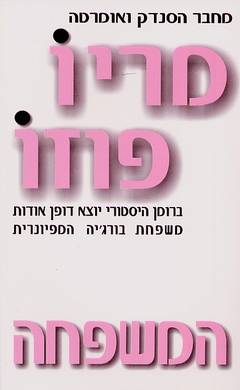
המשפחה

המשפחה

מריו פוזו

This is the story of one of the most (in)famous families of all times - the Borgias.
The father of the family, Rodrigo Borgia, the Spaniard who has become a Pope of Rome, wants nothing more than to glorify Rome and arrange the future of his 3 favourite children - the smart and cunning Cesare; the impressionable Juan, who have always needed protection; and Lucrezia, beautiful, clever and vulnerable.
His children, though he loves them, are but a tool in his justified quest for power, for the much diminished glory of Rome and united Italy. He makes friends of enemies and enemies of friends, with his children unwilling but cooperative accomplices.

This book was a huge disappointment. After enjoying the TV series "The Borgias" I wanted to read a novel about them and this was the only one in my local library. I should have been more discerning...
It's just that after watching "Rome" and getting interested in Caesar the first book I read was "Masters of Rome" series, and after watching "The Tudors" and looking for a novel about the period, the first one I read was [book:Wolf Hall|6101138]. And after watching "Game of Thrones" and wanting to read a book about the War of the Roses, the first one I read was [book:The Sunne in Splendour|119829]. I was hoping this lucky streak will continue with "The Family" and remembered, 20 pages into it, what should have been obvious after reading "The Godfather" all those years ago - Mario Puzo cannot write. No, that's harsh. He can write - an encyclopedia entry, not a novel that should, theoretically, have a plot and dialogues.
Because nothing happens. The book just drags on and on, with whole pages going by without a single conversaion, just an endless parade of facts. One can't even tell how much time passes, it might be a single year or twenty.
Even the characters, those larger than life figures that history remembers, are nothing more than Mar(t)y S(t)ues and caricatures.
I'm sure that somewhere out there is a great novel about the Borgia family. I'm sure to find it someday.

If you spend your free time reading Wikipedia articles and a nice plot is enough to sell a book to you, then this might be the novel for you. But if you are spoiled by brilliant writing of, say, [author:Hilary Mantel|58851], [author:Robert Harris|575], [author:Steven Saylor|42919], [author:George R.R. Martin|346732], then "as you value your life or your reason keep away from" books written by Mario Puzo.

לפני 12 שנים•
★★★★★
•מרינה מ.
שביל הזהב

שביל הזהב

אנאבל ליאון

Told in the PoV of Aristotle, this is the story of his relationship with young Alexander of Macedonia, whose mentor he was for years. Though Macedonian by birth, Aristotle is Greek by choice and is quite turned off at first by the 'barbarism' of his friend King Phillip's court. But he and his wife make a life there, as he becomes friends with members of the royal household (and an aging actor), especially as he learns to accept and love both Alexander, whose warlike and conflicted nature is a source of constant concern and whom he tries to teach to be a better man, and his brother Arrhidaeus, whom Aristotle teaches how to live.

All initial concerns about reading a book whose main character is a philosopher flow out of the window after the first couple of pages - there's nothing ancient-like or boring about this book. It's written in present tense (my favourite way of reading historical fiction since "Wolf Hall") and though it does have a sense of time and place, it could have taken place yesterday - everything's so vivid and matter-of-fact.

לפני 12 שנים•
★★★★★
•מרינה מ.
שערי האש

שערי האש

סטיבן פרספילד

In 480 B.C., an invading Persian army, two-million strong, came to the mountain pass of Thermopylae in eastern Greece. Led by King Xerxes, they were met by the finest three hundred Spartan warriors where the rocky confines were so narrow that the Persian multitudes and their cavalry would be at least partially neutralized. Here, the Greek loyalists hoped, the elite force could hold off, at least for a short while, the invading millions.

The well-known story of the 300 Spartans lies in the base of this book, but it is much more than that.
It is told from the PoV of a PoW, a young man called Xeones, who served under a Spartan officer and fought in the battle of the Hot Gates, against millions of assembled nations of the Persian Empire under Xerxes.
As the only living survivor, he tells his story to a Persian scribe, who writes it down for the king, not only the battle itself, but his whole life, his desire to serve Sparta, the lessons he learned and the people he met, all who has made such a lasting impression on him, who became his friends and brothers-in-arms.

If this isn't the ultimate book about the famous 300, it should be.
Written sometimes with almost military precision, it's a literary masterpiece, for all genders and ages.
The plot, sometimes vast, sometimes intimate, always flowing, jumping back in time when necessary, to complete the picture of Sparta and its people.
Though at times the military scenes can read too modern, unsurprising as the author himself a former soldier, I can only quote one of my favourite TV characters Geoffrey Tennant as a justification :"War is war, soldiers are soldiers, ambition is ambition".

Even more than the plot, I loved the characters, each an individual, with stories of their own. And isn't it funny that the best male characters I ever read about were written by women and the best female ones were written by men?

לפני 12 שנים•
★★★★★
•מרינה מ.
הלהב עצמו

הלהב עצמו

ג'ו אברקרומבי

ription"/>

"The Heir from Calcutta". That would have been the title of that book had it been translated to English. A story of rags to riches, industrial revolution and slavery. The New World and the old one. 900 pages of it, finished in a few hours. I was 13 years old and it's still the best adventures book I ever read.
Then it was "Wolf Hall". 650 pages, finished overnight. The pages turned by themselves. Sleep? Ha! Who needs it!
I borrowed "The Blade Itself" from my local library, in an Hebrew translation, because I liked the cover. I started reading on Friday afternoon. I finished it on Saturday. Sleep? I'll pass. Food? A sandwich'll do just fine. Running? Jezal can do it.


Logen Ninefingers, infamous barbarian, has finally run out of luck. Caught in one feud too many, he’s on the verge of becoming a dead barbarian – leaving nothing behind him but bad songs, dead friends, and a lot of happy enemies.
Nobleman, dashing officer, and paragon of selfishness, Captain Jezal dan Luthar has nothing more dangerous in mind than fleecing his friends at cards and dreaming of glory in the fencing circle. But war is brewing, and on the battlefields of the frozen North they fight by altogether bloodier rules.
Inquisitor Glokta, cripple turned torturer, would like nothing better than to see Jezal come home in a box. But then Glokta hates everyone: cutting treason out of the Union one confession at a time leaves little room for friendship. His latest trail of corpses may lead him right to the rotten heart of government, if he can stay alive long enough to follow it.
Enter the wizard, Bayaz. A bald old man with a terrible temper and a pathetic assistant, he could be the First of the Magi, he could be a spectacular fraud, but whatever he is, he's about to make the lives of Logen, Jezal, and Glotka a whole lot more difficult.

Murderous conspiracies rise to the surface, old scores are ready to be settled, and the line between hero and villain is sharp enough to draw blood. Unpredictable, compelling, wickedly funny, and packed with unforgettable characters, The Blade Itself is noir fantasy with a real cutting edge.

Is this a quest story? Not really. Is there magic in it? No more than necessary. Any prophesies, reamagined histories, unlikely heroes? Not as such.
Because it's not really fantasy, is it? Sticking a semi-automatic in Bayaz' hands will bring the same results as his magic.

Imagine Shadow Moon as leader of men. Imagine Richard Sharpe with a sister. Imagine a less sexually active Val Toreth. Imagine Dumbledor with no hair.
Or, if you're not familiar with any of these characters, just imagine. Because Abercrombie does, taking seemingly familiar fantasy elements and turns them on their heads in the worst (if you're a character in the book) or the best (if you're a reader of it) possible way.

And that's why I loved it so much - a good novel, in my eyes, is about interesting people in interesting situations. For me, a book (or a TV show) stands or falls on it's characters. In every book I've recently read there were one or two characters I liked very much, they were my absolute favourites and I've found myself going back to scenes featuring them, re-reading and commiting to memory favourite ones.
I could not do it in "The Blade Itself". It would mean reading every chapter (at least) twice.

Jezal was playing cards the first time I met him. A pompous, emptyheaded, vain douche, who likes nothing more than his own image in the mirror. And then he competes in the Contest. And then he meets Ardee. And then he is "invited" on the adventure of his life. And I was charmed.
Glokta was extracting information from an old friend the first time I met him. A cruel, cynical prick, who likes nothing more than a good round of self pity. And then he treats us to a day in his life. And then he proves his competence. And then he meets some more old friends. And I understood.
Ferro was digging a grave the first time I met her. An abused runaway slave, who likes nothing more than to hate everything. And then she meet an old guy. And then she keeps trying to run away. And then she kills. And I admired.
Logen was busy not dying the first time I met him. A savage leader of a ragged band, worrying about where his next meal is going to come from. And then takes a bath. And then he comes to a big city. And then he kills. And I was impressed.

And yet, if I had to, at gunpoint, to choose my favourite character in a cast full of favourite characters, it'd be Major West. Because he's the nicest? Or because he's the most normal? Everyone else has something special that gives them an advantage in the effed up world they have to live in - Jezal has his nobility. Logen has his "superior fighting skills" (points for guessing where this quote is from). Glokta has his job. Ferro has her healing talent. Dogman has his lack of expectations. And Bayaz has his magic.

This is the first in a trilogy called The First Law and the author's first book.
I cannot rate it high enough and recommend it to anyone, whether fantasy's your thing or (especially if) it isn't.

לפני 12 שנים•
★★★★★
•מרינה מ.
ג'ונתן סטריינג' & מר נורל (כרך א`)

ג'ונתן סטריינג' & מר נורל (כרך א`)

סוזנה קלארק

אחד מספרי הפנטזיה הנפלאים ביותר שקראתי. ואולי הנפלא שבהם.

לפני 12 שנים•
★★★★★
•מרינה מ.
עלובי החיים [גרסה קולנועית]

עלובי החיים [גרסה קולנועית]

ויקטור הוגו

This is a very French, very oldfashioned (in best possible ways) book, full of double-entendres, puns, clever one-liners. I've spent my childhood reading Dumas, but it's been a while since I read one and this book reminded me why I love old French historical fiction.

It took exactly 3 pages for me to see what kind of book this is:
"Madame Magloire was a little old woman, whitehaired, plump, bustling, always out of breath, because of her constant activity and also her asthma."
Because, this? This is humour and wit and irony and everything that's good about my favourite Dumas-es. And every following page was exactly like this.

Yes, this book is 1463 pages long and every one of them is well used. "Every single word was precisely chosen", so why use one when 5 will do just fine?
When I want to read a book, I'd prefer to read it in the language it was written in. Failing that, a good and appropriate translation. I could not have, in good concience, read an abridged version and the translation I had, by Fahnestock & MacAfee, was the absolute best that can be found, because it wasn't a verbatim translation but rather captured the intended spirit of a sentence.

As someone whose primary reading material is good historical fiction, I've come across a lot of stories that deal with humanisation of heroes. This book is about the elevation of humans. And it is no less heroic.

Ony of my favourite things about this book is the way dialogues are written, trusting in the reader's intelligence to follow a conversation.


The Bishop - some of his scenes are so fully of irony, so cynical in a way, because this man? Is one in a thousand, his exalted singularity a sharp contrast to the perverted, money-grabbing "men of god". If these be the only scenes you read in this book, they will tell you all you need to know about the different approaches to religion and it's consequences.


I can but imagine the difficulty it might have presented while writing, but it becomes obvious while reading that equal respect is given to polar opposite opinions - royalty, religion, status quo vs. revolution, enlightenment, new world.
Be you asleep or awake, this book will touch you personally. It will give validity to your views, while opening your eyes to the other side.


And every other page there's some new statement, be it about the corruption of the church, the perversion of the monasticism, the futile glory of war, the superiority of education, and you read it and you think 'why don't people write like that anymore?' It's so obvious, so self-evident, so simple, so true. You know these things and yet, when they are put on a page with such wit, such ironic honesty, you cannot help but admire it anew. After all, "the best books are those that tell you what you know already."


Jean Valjean - I did not like him as a character at first. I thought him stupid, for attempted escapes that cost him 20 years in prison in all. But even if completely irrational, it was totally human - most men are prone to self-sabotage ("The Bet" by A.Chekhov), for whatever reason. It's just the wallowing in self-pity and the hatred of the justice system that I disliked, while he himself was the author of his own misfortunes.
And yet, how terrible it must have been, to go from absolute servility to absolute freedom to an even harsher servility, through almost all his life? To be a master of oneself for a brief but glorious moment, to glance at the light and then being dragged back to the darkness?
There are no heroes in this book. No victims, either.
His relationship with Cosette I've found touching, especially when she grew up and they spent a lot of time together. In a way, he's as much of a child, as much of an innocent, as she is. It's a case of the blind leading the blind, but since one of the blind has a nice cane, they make through well enough.
It can't have been much of a surprise in 1862, but now, centuries away, it's pretty surprising that Valjean was imprisoned for stealing bread - lack of it being the main reason pre-Revolutionary France had their Necker(s) in a twist at the time.


There's this lovely chapter called "Deep Waters, Dark Shadows", a metaphor of imprisonement and suffering. But have we not just read something similar in the previous chapter? Was this needed?
Yes.
Why should a writer restrict himself? Why should he dumb-down his masterpiece for the impatient? These are beautiful couple of pages.
There's a magnificent chapter called "The Year 1817", 6 pages describing the Parisien ways of life at that time. Do we, the reader, need them?
Yes.
It's so cynical, so ridiculous, so enlightening, so atmospheric!


I cannot imagine written, before or since, anything as touching, inspiring, educational, and above all, amusing, as pages-long monologues by various characters. Especially the humorous ones. Allusions to the Classics, to current affairs and people, have me rushing to Google when they go over my head or laugh out loud when they don't.


This book is like a thesis, a social indictment, a philosophical treatise, written in an unsparing, unflinching, clever, witty, wonderfully readable way, with bits of plot interposed in between.
It is the Holy Book of sin and redemption and love. Parental love. Religious love. Friendly love. Filial love. Brotherly love. Love that comes out victorious in the end, in the shape of two innocent souls who find each other against all odds.
And above all, the author's love - for his creation. For France and her people. Her language. Her history. Her future.


Fantine - I admire her somewhat. Taking responsibility, control of her life, going from great to bad to worse, without losing her character until her very end. Yes, she's an example. But a fine one, at that.


"...it would be a serious omission of this book not to relate them down to the most minute details."
These words open one of the earlier chapters, but they apply equally to the book as a whole. One can just imagine the author, sitting at his writing desk, rubbing his hands together in pleasure thinking 'aha! think this is just some book, do you? all them others are just a rough outline! leave no stone unturned, that's a good motto. I am going to describe every little thing in the most minute detail!"
I'm sorry, if this is not a piss-take, I don't know what is...


There's not many paragraphs more terrible, more chilling, more heartwrenching that the description of the devestation left in Hougomont by French cannon.
This chapter has some of the best writing in a book filled with wonderful words. It brings to life, in technicolour, the French spirit, the French character, the French men that know how to die. They may have lost at Waterloo, but their memory lives on.


Ohain - There are so many writers of historical fiction and fantasy today, who write about war and battles, pages and pages forcefully filled with blood and guts, all in the name of realism.
This here, short and to the point, 50 words or less, is all the "realism" one can stomach. Honest and concise, every single word is precisely chosen.
"History is fiction". But this is not history.


Waterloo - and all this: pages upon pages of names, places, tactics, formations, horses, cannon, wit, terror, politics, death and life. All that, just to show that a man named Thénardier saved, inadvertently, the life of a man named Pontmercy.


Only once, in 1463 pages, did I wish I was reading some abridged version - "The Obidience of Martin Verga", describing the ways of the monastery Valjean & Cosette found themselves in. This sort of brainless, outdated, disgusting rituals highten the feeling of despise I've always had for religion, any religion. It takes away the nice feelings I had following the bishop's chapters. And yet, this chapter is necessary, because the bishop is the anomaly - this is what religion really is.
I don't have to agree with the author's religious views to respect them. At least his is a logical religion, not the fanatasicm of Thomas More or the most pious of bishops of Rome.


You know all the cliché TV shows , that can have no pretensions to realism, that pile coincidences on top sod's law and by the end of each episode everything is resolved for the best for some, if not for all? This is how this book works. Everything that can go wrong - will. People you shouldn't have a chance of encountering will accost you at every turn. Real life doesn't work like that. There can be no realism there.
But.
There is realism enough in the streets of Paris filled with the disposessed. In the faces of the starving and dead children. In the cruel fates of small buisinesses. In the depravity of the catholic church. In the casual cruelty of those in power.
There's enough realism to drown you in tears.
Why not get lost in the realms of the impossible for a while?


Marius - the affair of his father was heartbreaking. Who would not change something as earthly as political views for something as ethereal as a memory of a loved one?
"...struck to the bone in a moment of breathless delight" - seems to be a good phrase to describe Marius as a person. Because this? It happens to him alot. Though not a child, he sometimes reacts as someone with no fixed opinions of his own, that a powerful experience can change his whole view of the world, "...and what was right seems wrong, and what was wrong seems right!".
He reminded me of another literary character - Henri de Joyeuse from "The Forty-Five Guardsmen", chivalrously mooning over a girl he's only ever seen from afar. He's such an old-fashioned soul... Luckily, his love story turned out less tragic.


All the discourses about society and justice and religion and violence, one may call them philosophising. I shall not. Because I don't understand philosophy and not interested in it. I am interested in this. Why? Because it's obvious. "The best books are those that tell you what you know already."


Éponine - it's only when we first meet her did I fully accept and understand the title of this book, that I actually felt, for what seems for the first time ever, compassion for a literary character. Because she's not really a character, is she? If each character in this book is an example, a represantation, this one little girl's existence hits you like a ton of Brick(s).


This book is like a giant puzzle - we get a glimpse of an answer every time, never the whole story. And sometimes, we're not even aware of the question. We are not spoonfed information, we get a little morcel each time, little clues - some help you solve the puzzle, some you're not even aware of being clues at all.


Cosette - I've found her a lovely character, who, more than anything, reminded me of her mother. Her relationship with Marius, their infatuation, their courtship, it made me sad, a bit. I watched the film before reading the book. Never in my life was I so happy to have spoilers! Oh, and that one line of text!
I don't have a romantic bone in my body. That's why I was so surprised, so delighted, that this relationship left such an impression. I was "struck to the bone" and I'm not even sorry!
Funnily enough, or perhaps fittingly, theirs is the only realtionship of equals in this book. Every other has a note of wilfull submissiveness.


So the whole scene with the escaping criminals was but an opening to a discussion on the nature of slang! I'm past surprising at this point. Does it diminish the story? not in the least. Because that's how people talk. Just another aspect of Parisien life...


I wish we had more information on the successful insurrection of 1830. But I guess it is fitting we did not. Because it was a successful insurrection (at least for a while).
The failure of June 5th broke my heart a bit. Because we were there - "Facts From Which History Springs and Which History Ignores" - for the preparations, the planning, the camaraderie. Had it succeded, it might have been beautiful...


The writing style is very witty, very ironic, with a slap and a wink and a je ne sais quoi. Nothing is sacred. Nothing is serious.
Until it is.


Marius has these Romantic notions of War, vast battlefields, orders written down on papers and executed with dash and cheer. Battle worthy of an Emperor, not mere Monsieur le Président. He's the youngest of them all, he may keep his illusions, though he lost them for a while there, in pits of despair. I've found it uplifting that all his Romantic ideas came back after meeting Cosette and he got a bit of his old self back.


Grantaire - another great character, had me practically glued to Google, since my copy of the books didn't have footnotes. The fellow truly is a walking contradiction, and nowhere is it more apparent than the very end.
"He ridiculed all dedication under all circumstances, in the brother as well as the father, in Robespierre the younger as well as Loizerolles. "They're no further forward being dead," he exclaimed."
If to die for a blood relation is ridiculous, to die with a friend should be inconceivable...


And beyond the transcendent, way above the mundane, there are moments of truly epic, breathtaking proportions. The final act of M.Mabeuf is such one.
And Enjolras' comment about the bravery of the Conventionists, pronouncing "regicides" with awe and respect,is a brilliant character building moment.


"Suddenly, from the depth of that shadow, a voice, so much the more ominous, because nobody could be seen, and because it seemed as though it were the obscurity itself that was speaking, cried, "Who goes there?" At the same time they heard the click of the leveled muskets.
Enjolras answered in a vibrant tone:
"The French Revolution!"
"Fire!" said the voice."
Is it not sad and depressing to boot that the force created during La Révolution française, was now firing at one?


Not that there was a lot of happiness during the first 3/4 of the book, the last quarter is just plain depressing. Not just, but mainly, because reading about the barricades and the Friends of the ABC were my favourite parts.
And nothing, nothing, made me sadder than the realisation that they did not come with a thought to die at the barricade, that is was a possibility like any battle but it was not a fight to the death, that they had escape routes, that they would have left when the situation turned dire, but it's all gone to hell in a handbasket when a corrupt police officer shot an unarmed civilian.


Gavroche - a great little character. A true free spirit on one hand, a terrible example of the times on the other. Always able to produce a smile, even on the faces of his enemies.
It was quite surprising to discover that "Gavroche" is an assumed last name, not a first name. His death stayed with me throughout my life. It was nice to read about his life as well.


There's a Hebrew phrase "המקיים נפש אחת, כאילו קיים עולם ומלואו", meaning if you save just one soul, it's like you saved the whole world. Valjean did this twice. And since each character is already a representaion, saving one orphan, one insurrectionist, is like saving them all.


Boromir, Lord Marshal West, Brutus & Cassius, Thomas Cromwell, Richard III, Damar, Anne Boleyn, Stannis (if the Bastard Letter is true).
This is but a short list of fictional characters in books/films/TV shows of recent years that were my absolute favourites, who were the reason I kept returning and read/watched said work of fiction again and again.
These characters, different on the surface, have many things in common, with one standing out especially - they are all dead by time the credits roll/the last page is turned.
They are the cause of me shedding many imaginary (in one case, actual) tears. They are the dark horse. The long shot. They could have never made it out alive.

Can it be any sort of surprise that my favourite characters in this book are Enjolras and Javert?


Javert - a favourite from the very beginnig. Perhaps I'm biased, always having a sort of admiration for representatives of the law. But to think, as someone of his unfortunate background, to never step over the line overstepped by Valjean (or at least never getting caught), when it could have been so easy... To face the same (worse) difficulties and turn the other way, with no easy excuses of finding religion.
Oh, and I loved him at the barricade: 'I'm thirsty, I'm hungry, I'm hardly comfortable, this being-a-prisoner buisiness is so dull'. Priceless, truly. And his righteous indignation and resigntaion at seeing Valjean there. And the realisation that, like not all policemen are pigs, perhaps not all criminals are scum...
And yet there are no heroes. No victims, either.


Enjolras - like the "regicides" reaction, another one I absolutely loved is his, laconic as always, adress to his troops after the recon:
"You will be attacked in an hour....Nothing to wait for, nothing to hope for..... You are abandoned."
Another mark of character, another heartbreaking moment. He's always stood apart from them and since the execution of the cop he is the barricade, the barricade that was always going to be taken, and for him, there was never any hope.

And yet, one moment made me laugh - being cold and ubrupt as usual while urging spare men to leave, he might have inadvertendly discouraged them from leaving, while Combeferre's moving speech could have backfired spectacularly - he stops speaking, every man clutching his head in horror at the presented visions, running away.
He doesn't waste men or resourses or words or movements or emotions, but uses just the right amount, for just the expressed purposes.
He would not only "spread his wings unexpectedly and astonish youby his soaring" but it also seems, himself. He never intended to give that big speech, but at that moment, there was an atmosphere that something must be said. So he said something. Only he said everything.
I also like the distinction between the two women in his life - his mother the Republic and his mistress, Patria.
Because a mistress is someone who supports you, who makes you strong. One can change a mistress, and still carry affection for a former one in one’s heart.
A mother is another thing entirely.
You carry your mother with you through all your life. She can be kind to you or cruel, forsaking her is unthinkable. Enjolras would have carried his love for France, even if building a new life in an exile, but he would have fought for a universal Republic anywhere.
And if the final moments didn’t break what has remained of your heart by the time you reach it… Well….

“Pylades, we shall die,
but let us die with glory;
draw your sword,
and follow me.”


In the end, I don’t think this is a book about characters. Sure, there are some brilliant ones, but each of them is also an example, a representation. Much like Austen's book, this is about P&P - Paris and People. And in some ways, the bits inbetween can be just as moving, just as glorious as the plot itself. How can one not shudder at the description of the Mother of all Barricades in 1848? I dare say I would have even if I didn’t see it in the film…

“Laugh, laugh at all my dreams!
What I dream shall yet come true!
Laugh at my belief in man,
At my belief in you.

Freedom still my soul demands,
Unbartered for a calf of gold.
For still I do believe in man,
And in his spirit, strong and bold.

And in the future I still believe
Though it be distant, come it will
When nations shall each other bless,
And peace at last the earth shall fill.”

~ Shaul Tchernichovsky, “Creed”, 1894

לפני 12 שנים•
★★★★★
•מרינה מ.
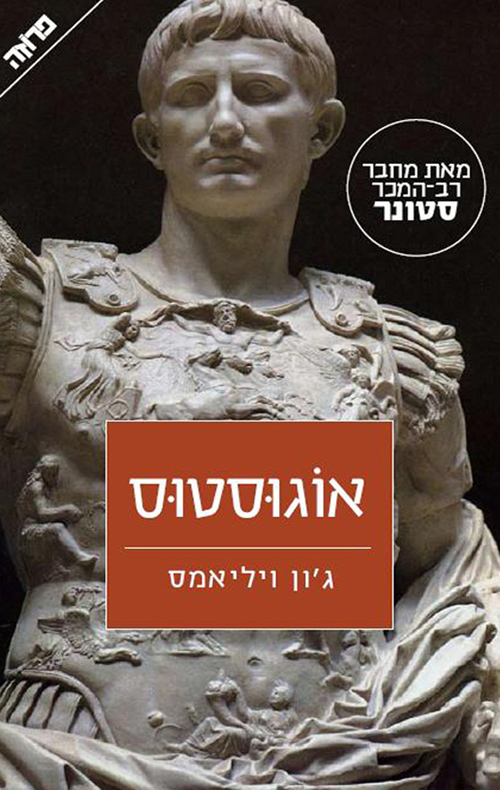
אוגוסטוס

אוגוסטוס

ג'ון ויליאמס

ספר נהדר ומקורי.

לפני 12 שנים•
★★★★★
•מרינה מ.
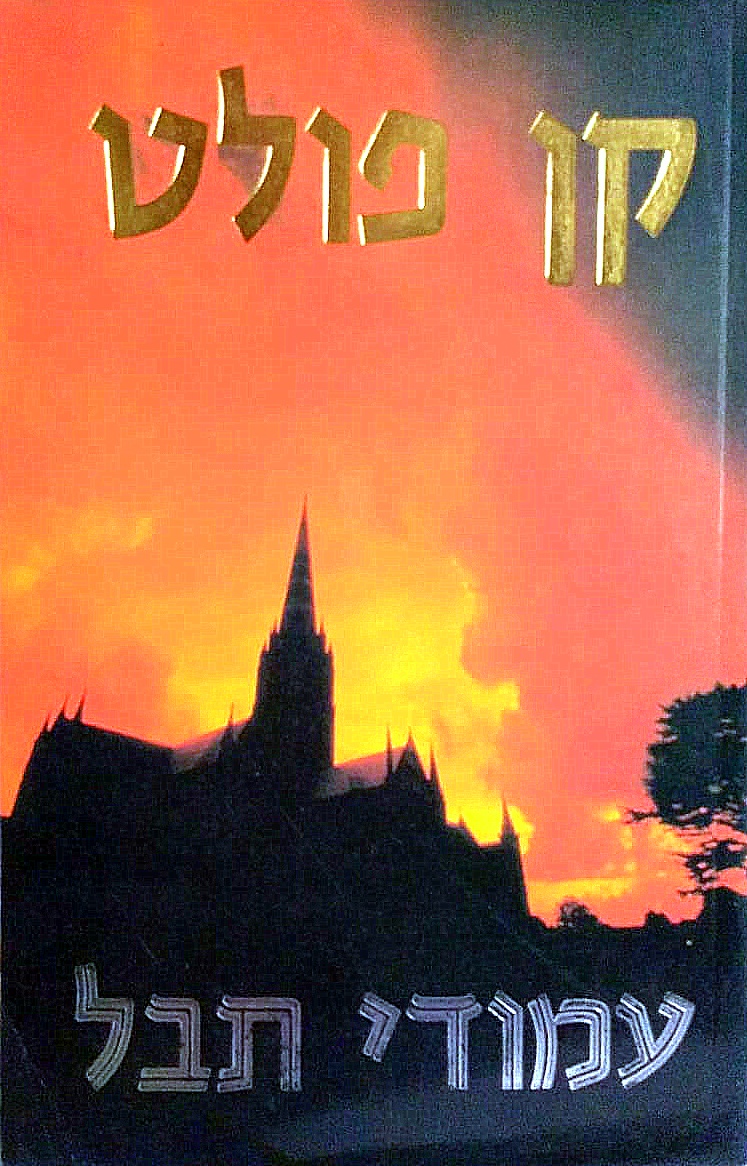
עמודי תבל

עמודי תבל

קן פולט

A life long dream of a man to build the most glorious cathedral in the world.
Simple, right?
The book is simple but the story - not quite.
This dream is shared by three men - Philip the monk, Tom the builder and his stepson and apprentice Jack.
The book is about their lives and work and struggle against injustice in times of the most brutal civil war of the age.
This is also the story of Aliena, a nobleman's daughter who loses all and, bound by a sacred oath, has to start from nothing to regain everything.


You know how they say something is so bad, it's good? I've yet to encounter an example of that in books I read, because I don't even pick up books I know I will not like, until I picked up "The Pillars of the Earth".
I've tried to read this book a few years ago, after watching and enjoying the TV mini-series of the same name. As always, the original is best, so I tried reading it in English. And could not get past the first 40 or so pages. It was unreadable. In English, the book feels like it was written by a twelve years old child - "he went there, did this, said that".
I forget who I'm trying to quote here, but 'the best way to tell a story is to tell it, not to describe it' and unfortunately, Follett cannot do it.
In the past year, I became quite obsessed with medieval England and I decided to take on the book again, this time in an Hebrew translation. And, oh, what a relief - it did not feel so forced and artificial anymore. The pacing was nice and the plot was good, if completely contrived - everything that could go wrong, did.
What I did like, is all the characters, particularly Philip, William, Aliena and Jack. And here is another thing - unlike some of the brilliant authors I've been reading recently, Follett doesn't write people. He doesn't even write characters - he writes archetypes. Or rather cartboard cutouts, because I doubt he was the first. None of the characters he writes about are original, none of them the average reader hasn't met a dozen times in their literary travels.
After the first few chapters it was clear as is the summer's sun that this novel is going to have a happy end, so that was rather nice.
I was a bit worried it won't have, and unfortunately I just knew that if it didn't, I wouldn't care less.

לפני 12 שנים•
★★★★★
•מרינה מ.

ביקורות נוספות על "וולף הול"

וולף הול

וולף הול

הילרי מנטל

ספר מתרכז בסיפורו של תומס קרומוול, פליטיקאי הידוע לשמצה בחצרו של הנרי השמיני ומציג את הצד האנושי שבו. הסיפור מעניין ושונה מרומנים היסטוריים אחרים של פיליפה גריגורי למשל או אלכסנדר דיומא. למרות הסיפור המעניין ועולם שלם שנגלה לעיניי מתוך עומקה של הפוליטקה המלוכלכת של החצר והכנסייה, הספר מאוד לא פשוט לקריאה בגלל הסגנון הייחודי (ומעצבן בעיניי) בו לא תמיד ברור מי הדובר, ולעיתים נדמה יותר כספר עיון ולא כספר עלילתי.
על אף שהילרי מנטל לא מתעלמת מהצד הדורסני שלו היא מוסיפה לדמותו נופך אנושי מסויים דרך סיפור ילדותו (לא בטוח שתואם כל כך למציאות) והאסונות שפקדו אותו בחייו האישיים. כמו שרואים בספר הזה את הצד האחר של קרומוול, אפשר לראות בו גם את הצד האחר של תומס מור, שמוצג בד"ר כקדוש מעונה ודווקא כאן מוצג כאכזרי ואפל לא פחות מתומס השני. ספר מומלץ לאוהבי התקופה וכבונוס יש גם ספר המשך.

לפני 3 שנים•
★★★★★
•נתי ק.
וולף הול

וולף הול

הילרי מנטל

מתי בדיוק נגמרים ימי הביניים? ברור שאין תאריך חד משמעי ותהליכים מתרחשים בהדרגה, אבל היסטוריונים אוהבים להציב קו גבול גם לדברים כאלה. ולכן יש טענה שימי הביניים מסתיימים בשנת 1492, עם גילוי אמריקה ו"העולם החדש", וגירסה אחרת ממקמת את הגבול בשנת 1517, עם המצאת הדפוס. האם זה משנה? רק לאנשים שדברים כאלה משנים להם, והם לא אני.

אז אנחנו באנגליה של סוף ימי הביניים או תחילת העת החדשה, שנת אלף חמש מאות עשרים ומשהו. אלפיים שנים אחרי שמלך בשם דוד ראה אישה רוחצת מבעד החלון, שלח את בעלה למות במלחמה וקיבל נבואת זעם מהנביא שלו על "תשלום ארבעתיים" לפני שאותה אישה תלד לו יורש. אלף שנים אחרי שהתלמוד כתב "ראויה היתה בת שבע לדוד מששת ימי בראשית אלא שאכלה פגה", וכן "כל האומר דוד חטא אינו אלא טועה", הדברים ידועים וכנראה המין האנושי לא לומד אף פעם את הלקח. לאנגליה יש מלך, שמו הנרי. הוא נושא לאישה את קתרינה שהיתה אשתו של אחיו המנוח, אלא שקתרינה לא יולדת לו בנים זכרים אלא בת אחת חלשה למדי ושמה מרי. ועל כן הוא רוצה לשאת במקומה את אן בולין בתקווה שזו תייצר לו יורשים בצורה יעילה יותר. דא עקא, שיש עוד מרי בתמונה, היא אחותה של אן והיא היתה פילגש של המלך. נוצר סבך בעיות דתיות, שהאפיפיור ברומא והבישוף שליחו לא שמחים לסמוך ידיהם על הזיווג החדש. בסוף הפתרון הוא להקים דת חדשה, אבל לוקח לזה זמן רב לקרות.

לספר הזה יש הרבה חסרונות שמלכתחילה אמורים למנוע ממני לקרוא אותו. ראשית, הוא רומן היסטורי. שנית, הוא באורך של כמעט 700 עמודים בעברית. יש לו רשימת שמות של דמויות ותפקידן בהתחלה, מה שרומז על ריבוי דמויות מעבר לסבירות ולבסוף, הוא זוכה בפרס בוקר. אני לא אוהבת רומנים היסטוריים ומשתדלת להימנע, אני חושבת שברוב המקרים אין הצדקה שרומן יעבור את מכסת 500 העמודים, וספרים שזוכים בפרסים ספרותיים הם לרוב ספרים לא קריאים.

עם זאת יובל המליץ, ואני סומכת על יובל, והספר הגיע בחינם מספריית תחנה כזו או אחרת, והימים ימי חג סוכות שמצריכים הרבה חומר קריאה. התחלתי לקרוא ולהפתעתי - הוא טוב. לפחות בהתחלה, כלומר במאתיים העמודים הראשונים. יש עלילה, יש דיאלוגים, יש קצב טוב, נוצר מתח. אחרי מאתיים עמודים העניין מתחיל להלאות. זה לא בדיוק רומן היסטורי אלא יותר רומן פוליטי שעסוק בדמות המפתח בחצר המלך - תומס קרומוול. אנגליה עד היום היא חברה מעמדית, במאה השש עשרה היא בוודאי לא שמעה על מוביליות חברתית, ובכל זאת נער אשפתות, בן של נפח, צמח להיות עורך דין, בתחילה בן חסותו של בישוף ולאחר מכן כאמור דמות בחצר המלוכה. האיש, על אף ניסיונה של הכותבת להעניק לדמות מורכבות וצדדים טובים, הוא מניפולטור חלקלק ותככן, והתככים מתאימים למי שאוהב לקרוא אותם. לא אני. בנוסף הניסיון להיצמד לאמת ההיסטורית העובדתית הוליד ספר שיש בו 6 נשים ושמן אן, שמונה נשים בשם מרי, שמונה גברים ששמם הנרי ועשרה אנשים ששמם כשם גיבור הספר תומס. אפשר להתמודד עם זה, אבל זה עושה את הקריאה מעייפת מאוד, מה גם שהכותבת לא תמיד מציינת לאיזה "הוא" (או לאיזה "תומס") היא מכוונת את הפיסקה הנוכחית שלה.

עכשיו כשנכנסתי לסימניה ראיתי שזה לא ספר של שבע מאות עמוד אלא חלק ראשון של טרילוגיה (!!!) השם ישמור. כבר עדיף לקרוא משחקי הכס. טוב, לא ממש, אבל כעיקרון. אפשר לקרוא בספר שמואל ב'.
בשורה תחתונה - נראה לי לחובבי הז'אנר, כי זו כתיבה מוצלחת, אבל לכל השאר אפשר לוותר, ודי בקלות.

לפני 3 שנים•נצחיה
וולף הול

וולף הול

הילרי מנטל

"וולף הול" איננו עוד רומן על תקופת הנרי השמיני. זהו לא טקסט קליל ונוח לעיכול כמו ספריה של פיליפה גרגורי, אלא משימה מאתגרת בת 700 עמודים. אם כן, על מה ולמה?
הילרי מנטל בוחרת בחירה לא שגרתית ומתרכזת באחת הדמויות החשובות אך הפחות "מקסימות" ו"מושכות" מחצר המלך הנרי השמיני-תומאס קרומוול "אדם לכל עת". חייל, סוחר, פרקליט, פוליטיקאי, שר וגם חבר, אב ובעל אוהב. אדם המעיד על עצמו כי יש לו "מראה של רוצח" וכך הוא נתפס ע"י סביבתו.
אך כמו בדרך כלל, בסיפורים המעניינים באמת, המראה משקר והמציאות מרתקת ומורכבת.
מנטל בונה דמות אנושית מאוד, המתוארת כולה בזמן הווה, תוך כדי פלאשבקים לעבר, קטעי חלומות, אסוציאציות, מחשבות וסיפורים. כל הנ"ל משתלבים כבמעשה רקמה, בדומה לשטיח הקיר המפואר המוזכר מספר פעמים בטקסט, ויוצרים סך הכול העולה בהרבה על חלקיו. השפה של מנטל עשירה ומרתקת ולעיתים פואטית. היא אינה מקלה על הקורא, אך התוצאה המרשימה בהחלט שווה את המאמץ (וגם את פרס הבוקר).
השאלה הנשאלת היא מתי יצא ספר ההמשך? ואיך לעזאזל לא תירגמו אף ספר נוסף מיצירותיה של הסופרת הפורה הזאת שכותבת כבר קרוב לעשרים שנה? אני מקווה שהצלחתו של "וולף הול" תזיז משהו בחלונות הגבוהים של הוצאות הספרים.
וכדי לעורר את סקרנותכם, רצ"ב קישור לדיוקן המפורסם של קרומוול אותו צייר הנס הולביין הבן, אשר היה אחד מציירי החצר של הנרי השמיני וצייר גם את הדיוקנאות המפורסמים של המלך ושל תומאס מור, יריבו המושבע של קרומוול, אשר זוכה לתיאור ביקורתי וכלל לא אוהד בספר זה:
http://en.wikipedia.org/wiki/File:Cromwell,Thomas(1EEssex)01.jpg
הדיוקנאות של שני התומאסים (קרומוול ומור) מוצגים במוזיאון The Frick Collection בניו יורק, אחד המוזיאונים הקטנים והיפים ביותר בעיר. רצ"ב קישור לאתר המוזיאון: http://www.frick.org/index.htm
ספרות, היסטוריה, אמנות-הכול מתחבר!

לפני 14 שנים•
★★★★★
•שין שין
וולף הול

וולף הול

הילרי מנטל

משום מה לא הוזמנתי לחתונה של הנסיך ויליאם ובחירת ליבו קייט היום בצהריים... קצת נפגעתי אמנם, אבל החלטתי שלא לחולל שערורייה. במקום זה שקעתי בספר המצוין 'וולף הול', ומצאתי את עצמי בחתונה מלכותית אחרת, שהתרחשה לפני כמעט חמש מאות שנה, ולמרות שאפילו מצלמה אחת לא היתה שם (כי הם היו עסוקים מדי בלהוציא להורג את האנשים שאולי יכלו להמציא אותה) תהיו בטוחים שהיא היתה לא פחות מסעירה והרבה יותר משמעותית.

על אף שמדובר בספר לא קל לקריאה, למי שמוכן להתאמץ, מובטחת חוויה מאוד מיוחדת ומורכבת, ובעיקר – מלמדת. קראתי שהילרי מנטל (שזכתה בפרס 'בוקר' היוקרתי על הספר הזה) שוקדת בימים אלו על כתיבת חלקו השני. אני מניחה שאסתער עליו ברגע שייצא.

אתם יכולים לשאול את עצמכם בצדק, למה לטרוח לקרוא עוד ספר על הנרי ה-8. כל בוגרי ספריה הקלים בהרבה של פיליפה גרגורי מכירים היטב מן הסתם את הסיפור על המלך שכל כך רצה בן- זכר-יורש, ואשתו הראשונה, קתרין מארגון, לא הצליחה לתת לו כזה, ולכן סר חינה בעיניו והוא החל פוזל לעבר אחת מנשות החצר שלה, העונה לשם אן בולין, וזה כמובן לא נגמר שם... דומה שמכל מלכיה של בריטניה לדורותיהם לא היה אחד ששבה וגירה את דמיונם של הכותבים יותר. אינספור ספרים, מחזות ורומנים נכתבו עליו ועל מעלליו. אז למה לטרוח לקרוא ספר נוסף על המלך הזה דווקא?

סיבה אחת יכולה להיות מכיוון שהפעם הסיפור מסופר מנקודת מבטו של ברנש יוצא דופן בשם תומאס קרומוול. בנו של נפח אלים ושיכור שברח בנערותו מביתו מאימת מכותיו של אביו, והצליח לטפס במעלה הסולם החברתי ולעמוד כתף אל כתף עם בני אצולה, רוזנים ונסיכים, ולהפוך בסופו של דבר לאחד מאנשיו המשפיעים ביותר של המלך הנרי ה-8. מדובר בהצלחה מאוד יוצאת דופן בתקופה שבה מי הוא אביך היא חזות הכל. האיש הוא אמיתי לגמרי, אבל המחברת מרשה לעצמה לתת דרור לדמיונה ולארוג ולטוות על בסיס המעט שידוע עליו, דמות בשר ודם מרתקת ומיוחדת שעל אף התדמית השלילית שלו, קשה שלא לחבב.
כמו תומאס קרומוול, הספר קורם עור וגידים סביב שלל דמויות מגוונות ומרתקות אחרות מהתקופה, (תומאס מור, הקרדינל תומס וולזי, ועוד רבים אחרים שבעיקר נקראים תומאס...) ומייצר מארג סבוך של יחסים חברתיים ופוליטיים ואישיים שנותנים לקורא הרגשה שהוא נשאב לתוך מנהרת זמן ומתעורר בלונדון, בשנת 1530...

מי שלא יודע הרבה על התקופה המרתקת, שהביאה להיווסדותה של הכנסייה האנגליקנית וההתנתקות מהאפיפיורות ברומא, צפוי ללמוד המון. אבל חובב היסטוריה שכן מכיר את הסיפור צפוי ליהנות שבעתיים ועבורו לדעתי נכתב הספר הזה. גדולתו (וגם לפעמים חסרונו) היא בצלילתו לפרטי הפרטים, לסיפור שמאחורי הסיפור. שפתו היא שפת יומנו-אנו, והיא מושמת בפיהם של הגיבורים הישנים-נושנים, עם המון הומור בריטי שנון וחריף, ודיאלוגים משעשעים ונוקבים. סוגיות כגון מהי כפירה, אכזריות העונשים כנגד כופרים, עריצות אנשי הדת והכנסייה, ומלחמתם בתרגומם של כתבי הקודש לשפת העם מטופלות בספר בהרחבה, ואנו חשים כאילו שותפים לסאגה פוליטית המתרחשת במסדרונות הכנסת בימים אלה. לחישות במסדרון, פתקים במליאה, הדלפות לעיתונות. קחו את זה, תרגמו את זה למונחים המקבילים מהמאה ה-16, וקבלו את היצירה הזו.

יחד עם זאת, לצד האיכויות המאוד מרשימות של התחקיר ההסטורי שהספר מציע, אני חייבת להודות שמזמן לא קראתי ספר כל כך לאט. נתחיל בזה שהוא מוצף בשמות. אין מצב שאדם עם זיכרון ממוצע ומטה, כמוני למשל, יצליח לשייך כל שם למקומו ולזמנו. לשם כך עשו איתנו חסד העורכים או מי שלא יהיה, ובתחילת הספר מופיע אינדקס נרחב הסוקר את הדמויות השונות. אלא שאני לא הצלחתי לסיים פסקה כמעט, מבלי לחזור לאינדקס הזה. בנוסף לכך, יש למחברת (או שמא זה רק בתרגום? אני בספק) נטייה תמוהה להתייחס בכל מקרה לגיבור הראשי, תומאס קרומוול, כ"הוא". לא משנה במי עסק המשפט הקודם, כאשר המשפט הבא מתחיל ב"הוא", הכוונה היא לקרומוול. זה מבלבל בטירוף, והביא אותי לקצב קריאה מהאיטיים שידעתי...

אבל מה יש למהר? כדאי מאוד לקרוא את הספר הזה לאט ובסבלנות, ולתת לסיפור לעטוף אותך מכל הכיוונים. אני סיימתי אותו כשסקרנותי עדיין לא יודעת שובע, והוספתי לחקור באינטרנט כדי להשלים את התמונה.

אני ממליצה בחום רב לקוראים סבלניים וסקרנים בכלל, ולחובבי היסטוריה ועלילות בית המלוכה הבריטי, בפרט.

לפני 15 שנים•
★★★★★
•קוראת הכל
וולף הול

וולף הול

הילרי מנטל

אני חושב השאלה הראשונה שבאה לך בראש אחרי כזה ספר זה למה הסופרת פה לקחה את האיש הזה שקראו לו תומס קרומוול ושהיה היועץ ועוד כל מיני תפקידים אצל הנרי השמיני וכתבה את הספר עליו ולא על מישהו אחר שהיה יותר מפורסם. נגיד המלך בעצמו או האישה שאהב או האישה שלא רצה אותה יותר. ביחוד בגלל שזאת סופרת אני שאלתי את עצמי את השאלה הזאת כי היתה יכולה לכתוב את הכל מהמבט של האישה (ולא בגלל שזה יום האישה הבינלאומי אני אומר את זה).

אני חושב שיש לי תשובה. הזמן שהספר כתוב עליו זה זמן קריטי. זה הזמן שעוזבים את ימי הביניים והולכים לזמן החדש והסופרת לקחה פה איש שהיה מפורסם רק חצי קלאץ' והלבישה עליו את הדמות של העת החדשה יעני הוא לא אכפת לו כל כך מהדת והוא עושה עסקים ויש לו יוזמה והוא מכבד את הנשים וגם לא אכפת לו מכל התארים שהוא בעצמו בא ממשפחה עניה אבל בכל זאת הוא גבר שבזמנים ההם רק ככה היה יכול להיות ליד איפה שמקבלים את כל ההחלטות. הוא בדיוק ההיפך מדמות שהיא יותר מפורסמת שקוראים לה תומס מור שזה טהרן קתולי והוא שהיה האיש הכי חזק בזמנים הישנים.

כל הסיפור מאד מעניין. מי שראה את הסדרה שושלת טיודור או את הסדרה וולף הול או שקרא על הנרי השמיני או על ההתחלה של הכנסיה האנגליקנית מכיר את הסיפור הזה שמרוב שהוא אמיתי קשה להאמין שככה היה. והיא כותבת את זה כמו סידרה יעני יש הרבה סיפורים וכל פעם באה סצינה של סיפור אחר אבל בסך הכל זה כמו שצריך להיות רומן היסטורי יעני מספרים את הסיפור שמאחורי ההיסטוריה עם כל האנשים והתכונות שלהם והיחסים בין אחד לשני.

אני מאד אהבתי לקרוא את זה שהיה מעניין ועשיר ולא יכולת לדעת מי מהאנשים שסיפרו עליהם אמיתי ומי המציאו אותו שאת כולם היא בונה ככה שהם נראים אמיתיים. אני רק אומר הלואי שהיו מלמדים ככה היסטוריה שאז אולי כולם היו הולכים לומדים חמש יחידות היסטוריה והיו נהיים בני אדם במקום שישלחו אותם שילמדו רק מתימטיקה כאילו זה הדבר הכי חשוב בעולם.

לפני 7 שנים•
★★★★★
•סימנטוב
וולף הול

וולף הול

הילרי מנטל

הספר נכתב על תקופה ש(בדיעבד אנחנו יודעים) היתה פתח למהפך ענק והכל בגלל מלך (הנרי השמיני) חרמן, וראשי כנסיה שלא ידעו לא להגזים. (אני יודעת שההערה הזו פשטנית מדי, אבל אני לא היסטוריונית).

הספר טוב. הוא כתוב באופן רהוט וקריא, והוא מספר סיפור מרתק. ובניגוד למספרים אחרים על אותה תקופה הוא מתמקד בדמות שולית לכאורה, לא בן אצילים, איש שיצר את גורלו במו ידיו וטיפס למעמדו מעמדה בלתי אפשרית. (ועל זה כולנו אוהבים לקרוא - מותר לחלום...) בולט בספר הוא חוש הומור נפלא הנותן לגיבורים עומק נוסף.

שתי בעיות בספר הפריעו לי להתחבר אליו בשלמות: המון שמות שאינם מתפתחים לדמויות - המופיעים ונעלמים ומפריעים להתרכז בסיפור. אני מבינה שהן דרושות מפאת הדיוק ההיסטורי, אבל כשמדובר בספרות יפה הייתי מעדיפה שהסופרת היתה מנפה חלק ממה שאינו תורם לסיפור.
הבעיה השניה היא דרך הכתיבה. מדובר בסצנות קצרות, שלמרות שהן מעניינות הן קוטעות את רצף הסיפור ומקשות על השתקעות בו.

באופן כללי - שווה.

לפני 15 שנים•
★★★★★
•yaelhar
וולף הול

וולף הול

הילרי מנטל

אנגליה, המאה ה16. העת החדשה כבר כאן והרפורמציה והטכנולוגיה מאיימות על שליטת ההגמוניות הישנות - המלך והכנסיה הקתולית. שתי אלו עסוקות במאבק דמים נגד הניסיונות לשינוי מלמטה, אך בו בזמן נלחמות זו בזו: המלך, הנרי השמיני, רוצה לבטל את נישואיו לקתרין מאראגון הספרדייה כדי שיוכל להתחתן עם אהובתו אן בוליין, אך לצורך כך הוא צריך אישור מהוותיקן, שכמובן מסרב לעשות זאת. ללא ההיתר לא יהיה למלך יורש חוקי, והממלכה שגם ככה במצב לא משהו תשקע לתוך מלחמת אחים.
כאן נכנס לתמונה הגיבור האמיתי של הסיפור ושל הספר- תומס קרומוול. קרומוול הוא בן עניים שבזכות קסם אישי, כשרון וחריצות עולה לגדולה ובדרך-לא-דרך מצליח להפוך לעוזרו הקרוב של המלך, זה שלוחש על אוזנו, מפרש את החלומות ומנהל את הממלכה. המלך, מצידו מייעץ לקרומוול להמציא שושלת משפחתית ראויה. קרומוול אינו מעוניין בכך: הוא מאפשר יצירת מיתולוגיות סביבו בזמן שהוא אוסף כשרונות מהמעמד הנמוך ומסובב את כל אנגליה לכיוון הרצוי לו. בהדרכתו אנגליה מתנתקת מהכנסייה הקתולית, שוברת את כוחם של המנזרים ומכניסה בדלת האחורית את הרפורמציה והקדמה.
אפשר לחשוב שזו תהיה דמות תככנית ובלתי נעימה, אבל קרומוול הוא מהגיבורים האהובים והמרתקים שנתקלתי בהם אי פעם: הוא חכם, שנון, עומד על עקרונות, נכון להתעלם ממוסכמות חברתיות כשזה נחוץ ועושה את המעשה הנכון. הוא מאכיל את עניי הכפר, מאמץ יתומים נטושים ומציל כמידת יכולתו נידונים למוות, שכל חטאם הוא קריאה בתרגום הפרוטסטנטי לתנ"ך.
הספר מצייר תמונה עגומה של עוני, סבל ובערות, של גורל שנחרץ מראש ואין איך לשנות, ושל שלטון אכזרי ומנותק שמחזיק את נתיניו בני ערובה בחוסר הידע שלהם. בתוך כל זה קרומוול הוא נקודה של אור בחשיבה הפתוחה שלו, בעושרו שלא סותר את נדיבותו ובאנושיות שנשארת על כנה גם כשטרגדיה מגיעה אל תוך ביתו שלו. אני התאהבתי בדמות שלו וקראתי את הספר בשקיקה מתוך עניין ואהדה למעשיו ולקורותיו.

למרות שמדובר ברומן היסטורי עם רשימת דמויות מאיימת בתחילתו, הספר קריא וכתוב היטב. אי אפשר אמנם "לחטוף" רגעי קריאה פה ושם, אבל כשנכנסים אליו קשה להפסיק. העובדה שלכולם קראו אז הנרי ומרי מקשה מעט לעקוב, אבל בגדול ידעתי מי זה מי ולא נצרכתי לדפדף לאילן היוחסין כל רגע.
כשסיימתי את הספר הלכתי לפתוח את ויקיפדיה ולבדוק את הקשר בין הסיפור למציאות. ובכן, עושה רושם שמנטל מדייקת בתיאור ההיסטורי, אבל הצטערתי לקרוא על סופו העגום (אף כי צפוי) של קרומוול. אז אם כל הביקורות המשבחות כאן לא הספיקו, המהלך של חיפוש מידע נוסף ודאי מעיד על איכותו של הספר. מומלץ בחום לכל חובבי ההיסטוריה והספרים האיכותיים.

לפני 14 שנים•
★★★★★
•מירב
וולף הול

וולף הול

הילרי מנטל

יש ספרים טובים. יש ספרים טובים מאוד. יש ספרים יוצאים מן הכלל.

ואז יש את "וולף הול", בוודאי אחד הספרים הטובים ביותר שיצא לי לקרוא בחיי. אין לי ספק בכך.

"וולף הול" מגיע לארץ אחרי תקופה ארוכה שבו קיבל שבחים בכל רחבי העולם הדובר-אנגלית, וגם קצת מעבר. קשה להתחיל לתאר ספר כזה, שזכה בחלק מהפרסים הספרותיים הבכירים ביותר בבריטניה וארה"ב. אפשר רק לומר שהספר זכאי לכל אחד משבחים אלה. והרבה מעבר.

"וולף הול" מביא את סיפורו של יד ימינו של המלך הנרי השמיני, קרומוול. ידוע יותר בספרות כאיש רשע, קשה ומניפולטיבי, כאן מביאה הילרי מנטל דמות אנושית לגמרי. קרומוול מתגלה כאדם חכם מאוד, מהיר ובעל יכולת יוצאת מן הכלל להתמודדות מול מצבים קשים. הדמויות כאן אינם סתם דמויות היסטוריים לפי הסטראוטיפים, כל אחד נברא בצורה אנושית ואמינה לחלוטין. מלך, מלכה, אדונים ונשים... לכל דמות בספר יש קול ייחודי ומעניין, כך שקשה מאוד להאמין שאנשים אלו מתו לפני מאות שנים.

מעבר לדמויות, יש את הסיפור עצמו. תקופת הטיודורים (והנרי בפרט) נחשבים לאחת התקופות המעניינות ביותר בהיסטוריית בריטניה, ואף בעולם כולו. אפשר להבין למה עקב קריאת "וולף הול". זהו ספר ארוך בהחלט, אבל מרתק - בכל עמוד קורא משהו מעניין, נאמרים דברי חכמה מצחיקים ומשעשעים וכך הקורא נמשך בקלות אל תוך הסיפור. מי שמכיר את היסטוריית התקופה וחושב שמן הסתם ידע כבר מה יקרה, שיחשוב שוב. מנטל מביאה לחיים בעמודים אלה אנשים בלתי נשכחים ונשכחים ביחד, מספרת סיפורים שאולי פחות ידועים היום, ומוסיפה לזה קול מודרני, אך היסטורי-אמין לגמרי.

בסופו של דבר, מצליחה מנטל בכל המישורים. ספר מעניין? אכן. כתיבה טובה? יוצאת מן הכלל. דמויות מרתקות? קול אנושי? כן, וכן.

כל קורא - אוהב היסטוריה, קלסיקות, פרוזה, ספרות "עמוקה", אוהבי כתיבה חכמה ודמויות מרתקות, אוהבי סיפורים, אוהבי כתיבה יפהפייה - אליכם לקרוא את "וולף הול". לא תתחרטו על זה לרגע.

אחד מהספרים הטובים ביותר שקראתי, מומלץ מומלץ מומלץ!

* לא קראתי את התרגום לעברית ולכן אין זו ביקורת על איכות התרגום.

לפני 15 שנים•
★★★★★
•ביבליו
וולף הול

וולף הול

הילרי מנטל

רומן היסטורי ממש טוב! שוב למדתי עוד היסטוריה (למרות שיש המון בידיון) בזכות סיפורת, ושוב הסיפורת מצליחה להעביר תקופה, הלך מחשבה, תמונות ואנשים בצורה כל כך מוצלחת.
הספר לא קל! אפילו כבד למדי, למרות שהתירגום מעולה ושוטף, הסופרת הולכת קדימה ואחורה בזמן, ולא טורחת להקל על הקורא במשפטים מפותלים ודמויות רבות, חצאי משפטים ופסקאות שלמות ללא שמות, שצריך לקרוא לפעמים פעמיים כדי להבין מי ומה.
אבל זה שווה, אנגליה המוזרה, הקרה והרטובה של המאה ה-16 נשפכת מתוך סיפור מרתק, על דת קנאית, מושחתת ומטורפת שבתוכה אנשים משכילים ובורים מנסים לחיות, ובדרך כלל מתים מוקדם מדי.
זה סיפור על אנשים שהנקמה היא האנרגיה שמפעילה ומנחה אותם, ועל הכח שמעביר אותם על דעתם - לצערינו אז והיום אותו הדבר.

הספר הוא חלק מטרילוגיה שהשני יצא רק לא מזמן - מקווה שהתרגום יצא בזמן סביר כל עוד יש לי כח לספרים טובים כאלה וקשים כאלה. (http://www.haaretz.co.il/gallery/literature/1.1844095)

לפני 13 שנים•
★★★★★
•ניר