“את העצים אנחנו בעיקר נושמים, האם אפשר להבין אותם?
אפשר לסגל קצב מתאים, היכרות ארוכת-טווח, עצים הם עניין איטי במיוחד.
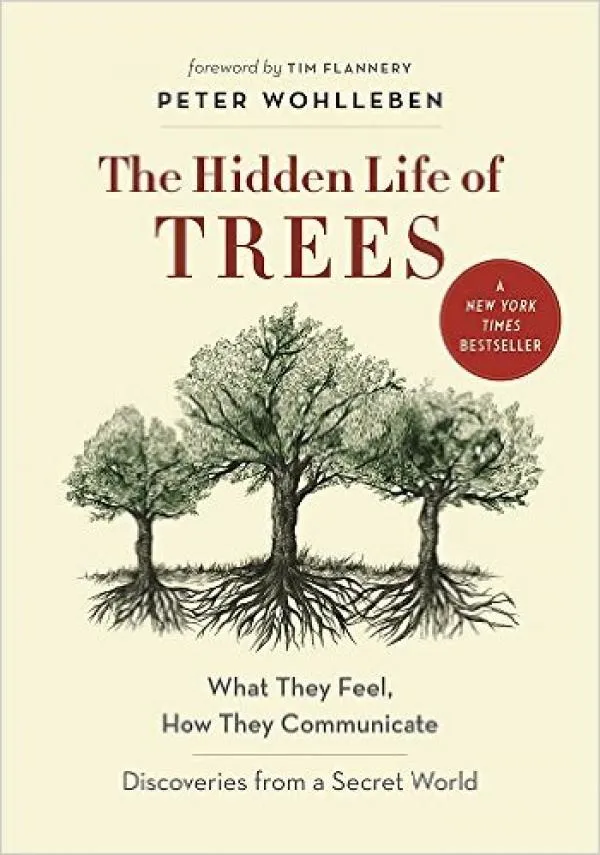
בספר נתקלתי בקיץ האחרון. זה ספר מדע רך - כלומר ספר שעניינו להכיר. הוא נכתב בידי יערן שחי ולמד את היערות סביב הבית שלו.
הוא בנוי בצורה של פרקים קצרים - 40 נושאים כשלכל נושא מוקדשים כמה עמודים. יש חזרות ויש פרקים יותר עמוסים אבל הרוב מעניין ומציע זווית אחרת על עצים.
קטע מהספר - על היחס בין עצי חוף לעצי יבשה:
How does water get to the forest, anyway, or - to take a step back - how does water reach land at all? It seems like such a simple question, but the answer turns out to be rather complicated. For one of the essential characteristics of land is that it is higher than water. Gravity causes water to flow down to the lowest point, which should cause the continents to dry out. The only reason this doesn’t happen is thanks to supplies of water from the clouds, which form over the oceans and are blown over land by the wind - a few hundred miles of the coast. The farther inland you go, the drier it is, because clouds rained out and disappear. When you get 400 miles from the coast, it is so dry that the first deserts appear.
Trees have a large surface area covered in leaves. Each summer they use masses of water from within, which they release into the air through transpiration. this water vapour create new clouds that travel farther inland to release their rain. As the cycle continues, water reaches even to the most remote areas. This system works so well that the downpours in some large areas of the world, such as the Amazon basin, are almost as thousands of miles inland as they are on coasts. From the ocean to the farthest point inland there most be forest, and, more importantly, the coastal forest should stand to serves as the foundations for it all; If it do not exist, the link falls apart...”